What are the basic principles of neurorehabilitation?(2) - Acidente Vascular Cerebral Center
We have introduzido early reabilitação, active reabilitação and appropriate reabilitação in the principles of neurorehabilitation in the last article. In this article, we will continue to introduce other principles of neurorehabilitation.
Neurorehabilitation Principles 4 :Intensive Reabilitação
In order to formulate an appropriate reabilitação program according to the paciente's actual remaining função and the potential ability that may be recuperado, so that the paciente pode achieve funcional progress through repeated practice, it is necessary to pay time for this practice and need to achieve a certain "dose".
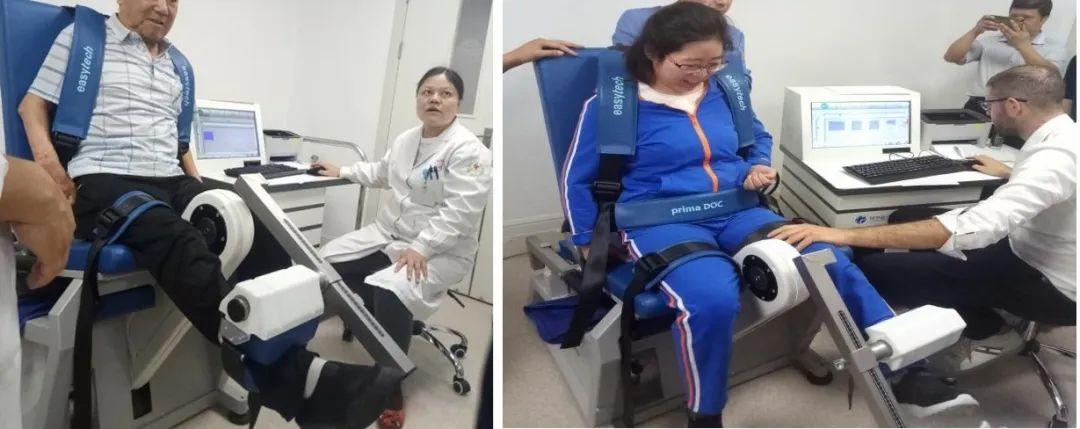
In the 1980s, China began to introduce isokinetic exercise dispositivos, which were initially mainly usado for muscle função evaluation and muscle strength training after sports injuries. In recent anos, with the continuous development of research, this tecnologia has been gradually applied to the field of reabilitação medicine.
Neurorehabilitation Principles 5: Comprehensive Reabilitação
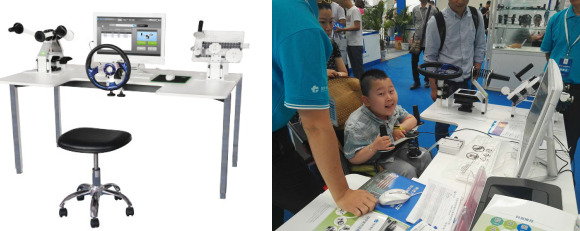
The ultimate goal of disease tratamento and reabilitação is not only to cure and stabilize the disease, but more importantly, to melhorar the ability of individual activities and social participation.In order to quantitatively assess the função or health of an individual, in addition to assessing the morphology and função of each organ and organ at the level of the body, it is also necessary to conduct a detailed quantitative assessment of the individual's activity ability and social participation ability. When we examine the consequences of reabilitador care, it must be based on the Activity and Participation scales. That is, a comprehensive reabilitação comes from three levels of physical-activity-participation.
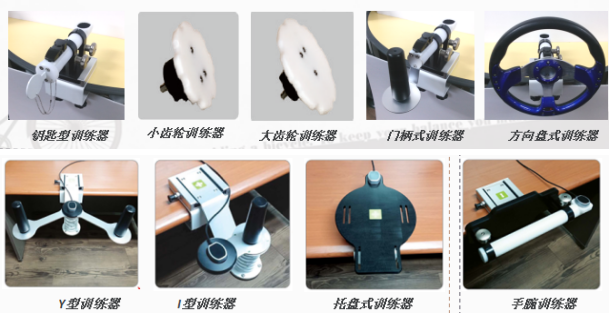
Relearn training for activities of daily living, such as:
Grooming and personal hygiene: bathing, washing face, brushing teeth, going to the toilet, combing hair, shaving beard, etc.;
Eating: choose appropriate food and suck, chew and swallow in sequence;
Dressing: choose appropriate clothing, put on and take off in the proper order;
Movimento: from one position or place to another position or transfer to another place, such as: bed movimento, place transfer (bed, car, bathtub, toilet seat, chair);
Information exchange: such as the usar of writing equipment (pen and paper), telephone, computer, etc.
Neurorehabilitation Principles 6: Individualized Reabilitação
The risk of reabilitador management should be assessed first when performing acute or early reabilitação training. Then, write a complete reabilitação plan corresponding to the nature, intensity, duration, frequency, and even specific reabilitação methods, possible accidents and methods of dealing with accidents that the paciente may endure.As the paciente responds to the reabilitação tratamento, the therapist gradually adjusts the nature and dosage of the reabilitação tratamento. According to the specific situation of the paciente at that time, formulating an individualized reabilitação plan is the core issue to achieve funcional recuperação, which should be different from person to person and time to time.
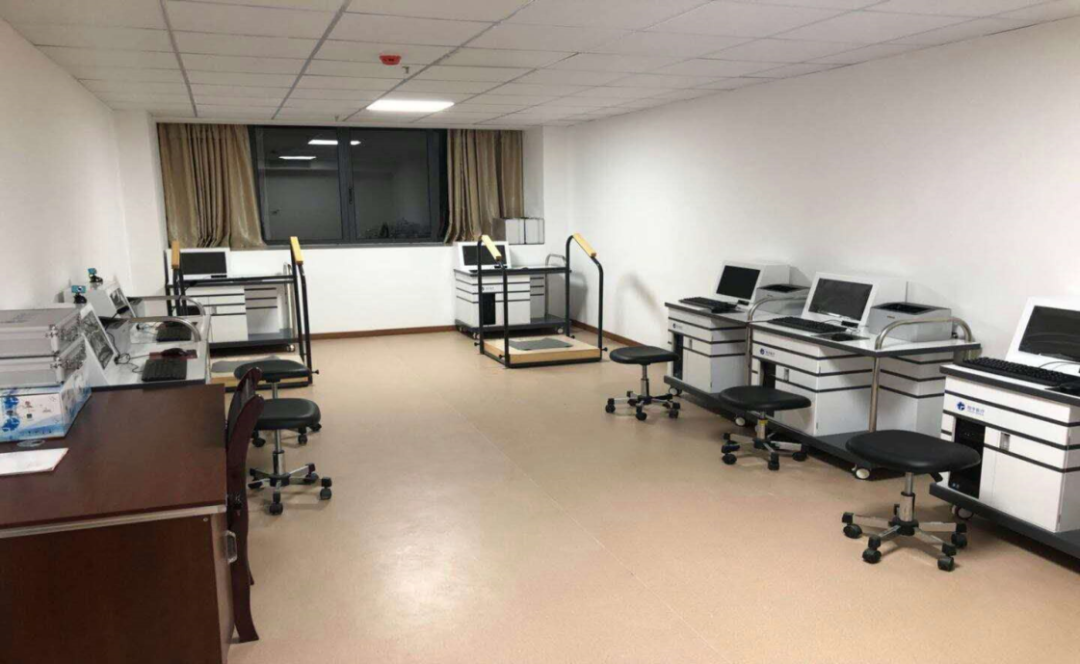
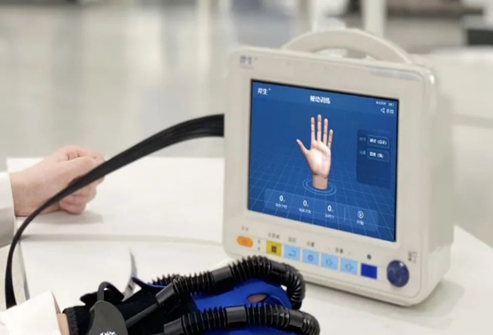
Reabilitação evaluation is the basis of reabilitação tratamento. Without systematic evaluation, it is impossible to plan the implementation of reabilitação tratamento and evaluate the effect of tratamento. Through reabilitação assessment, the nature, location and severity of funcional impairment pode be assessed objectively, and its development trend, prognosis and outcome pode be estimated, reabilitação goals pode be designed, and practical reabilitação tratamento plans pode be formulated.