
Centro de AVC
Casa>Centro de AVC>Content
Casa>Centro de AVC>Content
terapia de espelho is a unique and increasingly popular approach to reabilitação that leverages the power of visual feedback to aid in the recuperação of individuals with various motor and pain-related conditions. This article delves into the principles behind terapia de espelho, its applications, and how innovative tools like the SYREBO Smart reabilitação Mirror can enhance its effectiveness.
What is terapia de espelho?
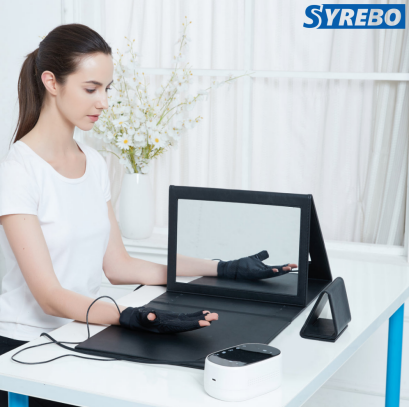
terapia de espelho, also known as Mirror Visual Feedback (MVF), is a therapeutic technique designed to address pain and motor impairments that predominantly affect one side of the body. It involves placing a mirror between the affected and unaffected limbs, creating the illusion that the affected limb is moving when the unaffected limb is in motion. This visual deception can significantly impact the brain's perception and processing of movement and pain.
The concept of terapia de espelho was first introduced by Dr. Vilayanur S. Ramachandran in the 1990s as a treatment for phantom limb pain (Kim & Kim, 2012). Since then, it has been widely studied and applied to various conditions, including acidente vascular cerebral, complex regional pain syndrome (CRPS), and acquired brain injuries.
How terapia de espelho Works
terapia de espelho operates on the principle ofvisual feedback and neural plasticity. The setup is straightforward: the mirror is positioned vertically between the paciente's body and the affected limb. When a paciente moves their unaffected limb in front of a mirror, the reflection creates the illusion that the affected limb is also moving. This visual feedback is processed by the brain, which then sends signals to the affected limb, potentially reducing pain and improving motor function (Thieme et al., 2019).
Motor Relearning and Neural Rewiring
A fundamental aspect of terapia de espelho is its ability to harness the brain'[s capacity forneuroplasticity. This refers to the brain's remarkable ability to adapt and change its structure and function in response to new experiences and stimuli. When patients engage in terapia de espelho, the visual feedback from the mirror creates a powerful illusion that the affected limb is moving normally. This illusion stimulates the brain's motor cortex, which is responsible for planning and executing movements.
Progressive reabilitação and Task-Oriented Training
terapia de espelho is typically conducted ina progressive manner, starting with simple movements and gradually advancing to more complex tasks. This approach helps patients regain motor function and improve their overall quality of life. Sessions are usually conducted 3 to 7 times a week, lasting from 15 to 60 minutes each, over a period of 2 to 8 weeks (Thieme et al., 2019).
Task-Oriented Training: A key component of terapia de espelho is task-oriented training, which focuses on functional movements and activities that are relevant to the paciente's daily life. This type of training helps patients develop practical skills and enhances their ability to perform everyday tasks. For example, patients might practice reaching for objects, picking them up, and placing them in different locations while observing the mirrored image. This not only improves motor function but also boosts confidence and independence (Zhang et al., 2022).
WhoCan Benefit from terapia de espelho?
terapia de espelho has been shown to be effective for a wide range of conditions, particularly those involving unilateral motor impairments and chronic pain. Some of the most common applications include:
acidente vascular cerebral survivors often experience hemiparesis, a condition where one side of the body is weakened or paralyzed. terapia de espelho has been found to be highly effective in improving motor function and reducing pain in these individuals. A recent Cochrane review highlighted strong evidence supporting the use of terapia de espelho for post-acidente vascular cerebral hemiparesis (Thieme et al., 2019).
terapia de espelho was originally developed to address phantom limb pain, a condition where amputees experience pain in the missing limb. Studies have shown that terapia de espelho can significantly reduce phantom limb pain by providing visual feedback that the missing limb is still present and functioning normally (Kim & Kim, 2012).
CRPS is a chronic pain condition that typically affects one limb and is characterized by severe pain, swelling, and changes in skin color and temperature. terapia de espelho has been shown to be effective in reducing pain and improving motor function in individuals with CRPS (Bowering et al., 2013).
Individuals recovering from acquired brain injuries or musculoskeletal injuries can also benefit from terapia de espelho. It helps in retraining motor functions and reducing pain associated with these conditions (Gandhi et al., 2020).
terapia de espelho Treatment Protocols
The effectiveness of terapia de espelho depends on several factors, including the paciente's motivation, cognitive abilities, and the specific condition being treated. Generally, treatment protocols involve:
Mirror Size and Position: Using a larger mirror allows for clearer visual feedback, which is essential for the terapia's effectiveness.
The Role of the Therapist in terapia de espelho
Healthcare providers, such as physiotherapists and occupational therapists, play a crucial role in the implementation of terapia de espelho. They can:
Enhancing terapia de espelho with Innovative Tools
While traditional terapia de espelho has proven effective, advancements in technology have led to the development of innovative tools that can enhance its benefits. One such tool is theSYREBO Smart reabilitação Mirror.
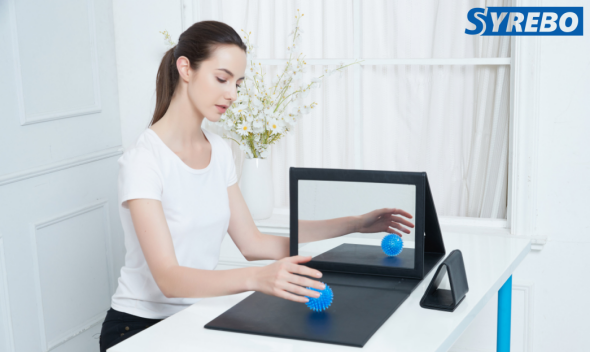
TheSYREBO Smart reabilitação Mirroris a state-of-the-art device designed to make terapia de espelho more accessible and effective. It incorporates several features that address common challenges and improve the overall terapia experience:
Conclusion
terapia de espelho is a powerful and evidence-based approach to reabilitação that leverages the brain's ability to rewire itself through visual feedback. It has been shown to be effective for a wide range of conditions, including acidente vascular cerebral, phantom limb pain, and complex regional pain syndrome. By incorporating innovative tools like the SYREBO Smart reabilitação Mirror, healthcare providers can enhance the effectiveness and accessibility of terapia de espelho, ultimately improving paciente outcomes and quality of life.
If you or a loved one could benefit from terapia de espelho, consider exploring the latest advancements in this field. Tools like the SYREBO Smart reabilitação Mirror can make a significant difference in your recuperação journey. Consult with a healthcare provider to determine if terapia de espelho is the right fit for you.
References
Bowering, K. J., Moseley, G. L., Peake, J., & Giummarra, M. J. (2013). The effects of graded motor imagery and its components on chronic pain: a systematic review and meta-analysis.Journal of Pain, 14(1), 3-13.
Gandhi, P., & Steele, C. M. (2022). Effectiveness of interventions for dysphagia in Parkinson disease: A systematic review.American Journal of Speech-Language Pathology, 31(1), 463-485. https://doi.org/10.1044/2021\_AJSLP-21-00145
Kim, S. Y., & Kim, Y. Y. (2012). terapia de espelho for phantom limb pain.The Korean journal of pain,25(4), 272–274.https://doi.org/10.3344/kjp.2012.25.4.272
Thieme, H., Morkisch, N., Mehrholz, J., Pohl, M., Behrens, J., Borgetto, B., & Dohle, C. (2018). terapia de espelho for improving motor function after acidente vascular cerebral.The Cochrane database of systematic reviews,7(7), CD008449.https://doi.org/10.1002/14651858.CD008449.pub3
Zhang, J., Mu, Y., & Zhang, Y. (2022). Effects of acupuncture and reabilitação training on limb movement and living ability of patients with hemiplegia after acidente vascular cerebral.Behavioral Neurology.https://doi.org/10.1155/2022/2032093