Targeted activities of daily living training for hemiplegic upper membro and mão dysfunction(1) - Acidente Vascular Cerebral Center
Activities of daily living training is a part of the scope of trabalho, usando the form of trabalho activities to promote funcional recuperação and re-learning of normal movimento patterns.This article mainly describes the targeted activities of daily living training that combines daily life tools and neurodevelopmental terapia in ordinary reabilitação. It analyzes the movements of acidente vascular cerebral pacientes with possible funcional recuperação, and then strengthens weak areas and avoids abnormal movimento patterns.
Taking the paciente with left hemiplegia as an example, the weaknesses in the activities of daily living are as follows:
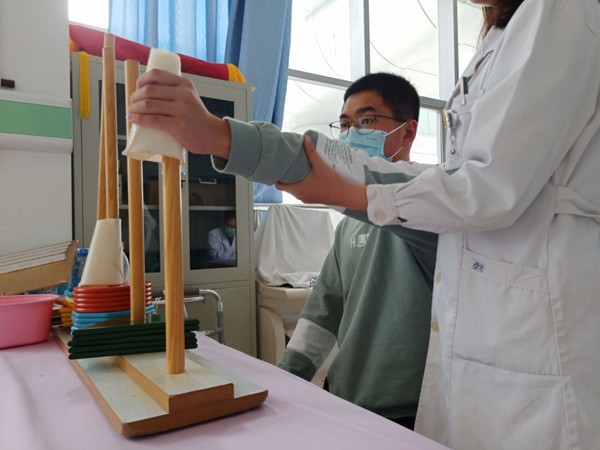
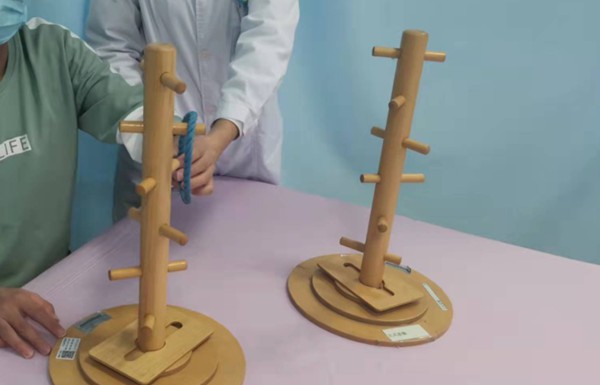
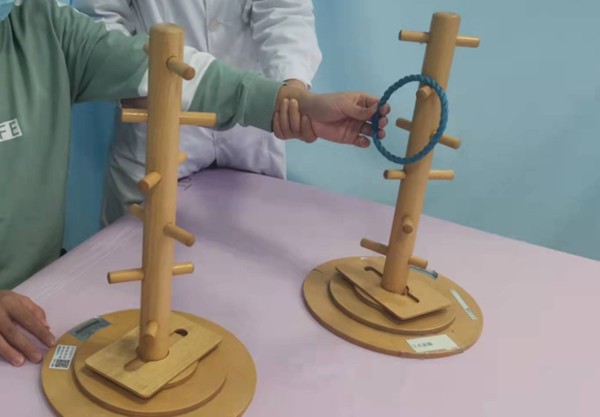
1. Shoulder flexion (a movimento pattern that inhibits flexion of the upper body)
The therapist controls the paciente to straighten the elbow and instructs the paciente to remove the sleeve from the post. If the paciente's mão grasping ability is insufficient, the sleeve pode be held with both mãos at the same time.
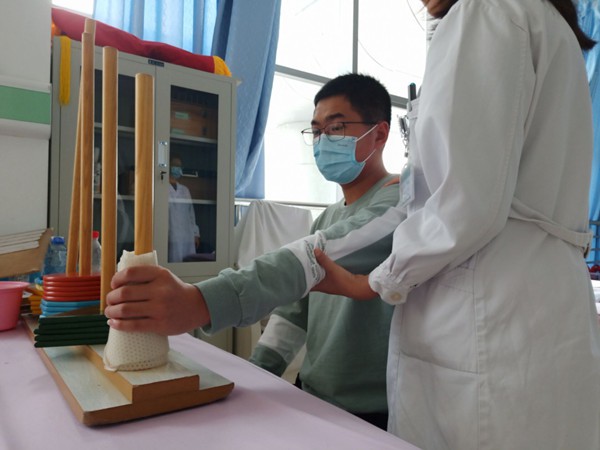
2. Shoulder Abduction
The therapist assists the paciente to straighten the elbow. If the paciente's grip strength is insufficient, the therapist assists the grasp and uses a gymnastics stick to assist the abduction.
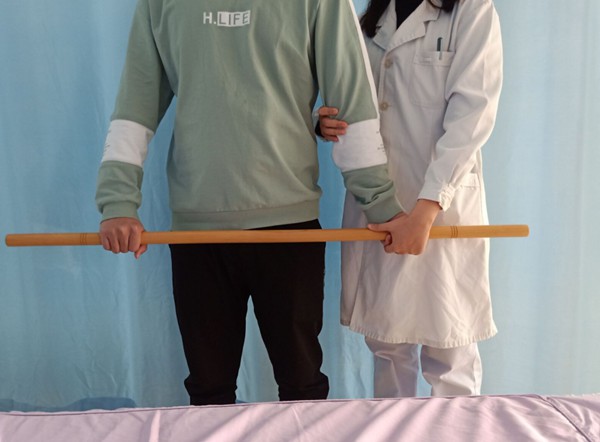
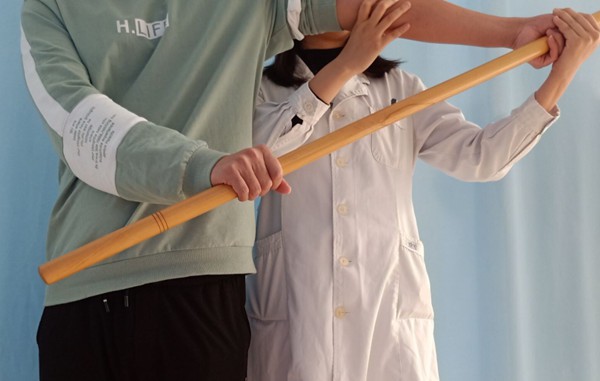
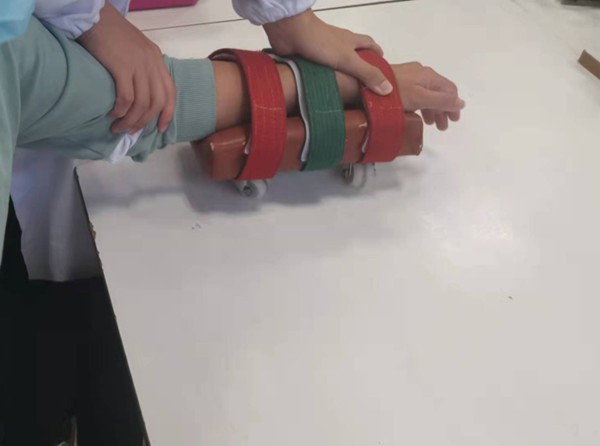
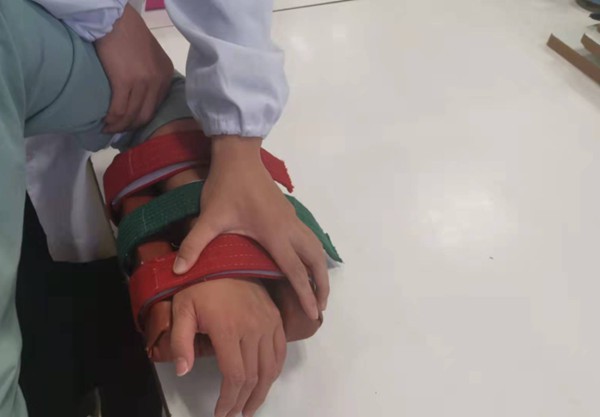
3. Elbow stretch
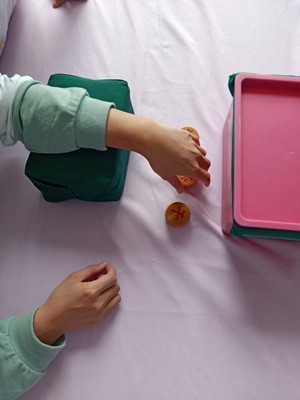
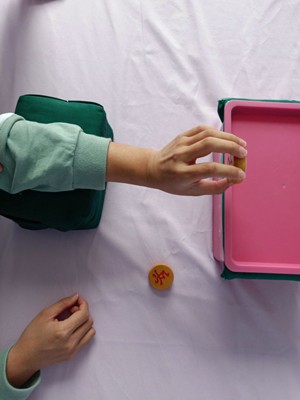
Elbow extension activities with shoulder immobilization (note that the wrist is placed on the flatbed to prevent it from sagging and causing pain). During the reabilitação process, due to the influence of the spastic mode, the paciente pode complete the elbow extension alone, but the shoulder flexion and elbow extension cannot be completed together. We pode first perform the elbow extension training activity from the shoulder flexion state to suppress this mode.
4. External rotation of the shoulder
Control the paciente's shoulder to prevent it from abduction, instruct the paciente to externally rotate the shoulder joint and remove the water bottle with Velcro on the side panel.
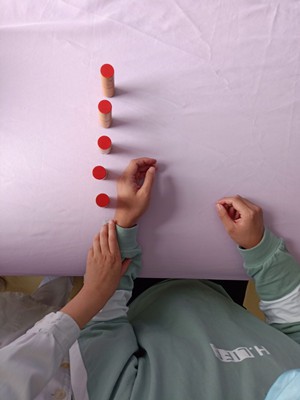
5. Wrist dorsal stretch training
Keeping your forearm still, push the column away.
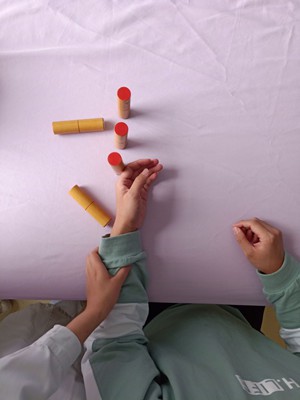
Try to keep the forearm still, grab the pieces and train.