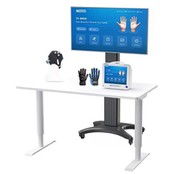
As a supplier of reabilitação systems for clinics, I've seen firsthand how important ergonomic design is in these setups. It's not just about making the equipment look good; it's about ensuring that patients can use it comfortably and effectively during their recuperação journey. So, let's dive into the key ergonomic design features that you should look for in a reabilitação system.
Adjustable Fit
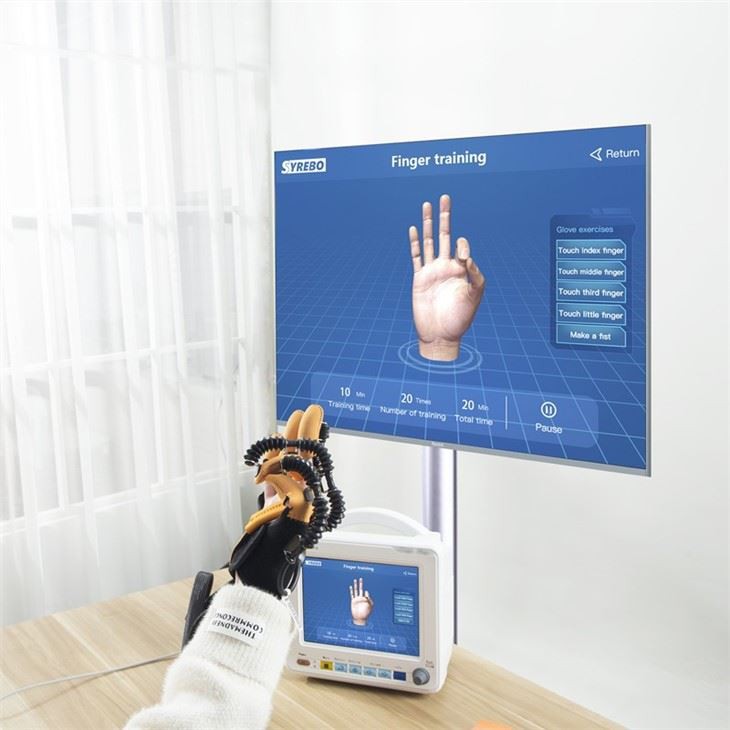
One of the first things you want in a reabilitação system is an adjustable fit. Everyone's body is different, and a one - size - fits - all approach just doesn't cut it when it comes to reabilitação. Take, for example, theSyrebo® Hand robô de reabilitação (BCI). This hand robô de reabilitação is designed with adjustability in mind. You can tweak the settings to fit the unique hand size and shape of each paciente. This means that whether you're treating a child or an adult, a petite person or someone with larger hands, the robot can be adjusted to provide a snug and comfortable fit.
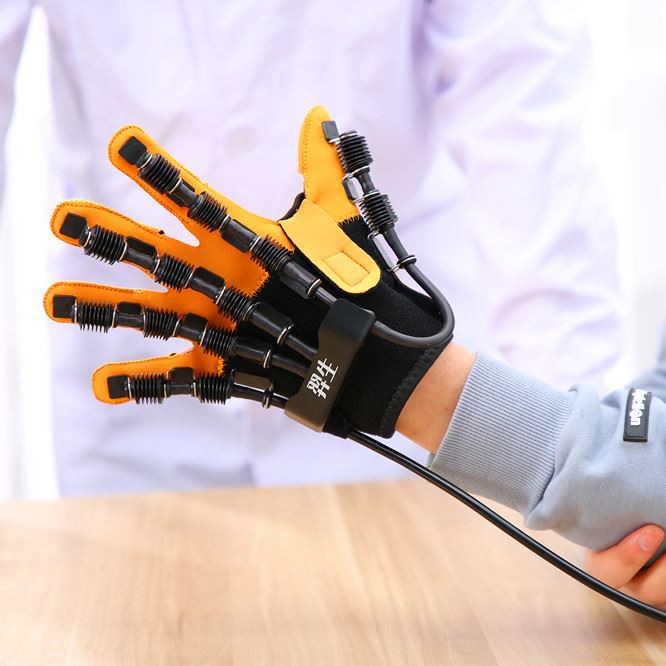
Similarly,Gloves For acidente vascular cerebral Patientscome with adjustable straps. These straps allow you to customize the fit around the hand and wrist, which is crucial for patients who might have limited dexterity. An ill - fitting glove can cause discomfort and might even interfere with the reabilitação process. By ensuring an adjustable fit, you're making sure that the paciente can focus on their recuperação exercises without being distracted by discomfort.
Comfortable Materials
The materials used in a reabilitação system play a huge role in its ergonomic design. When patients are undergoing long - term reabilitação, they're going to be in contact with the equipment for extended periods. So, using soft, breathable, and hypoallergenic materials is a must.
OurFinger Training Glove For Paralyzed Handis made from high - quality, soft fabrics. These fabrics are gentle on the skin, reducing the risk of irritation or abrasions, especially for patients with sensitive skin. Additionally, they're breathable, which means that the hands can stay dry even during intense training sessions. This is important because a sweaty and uncomfortable hand can make it difficult for patients to perform their exercises properly.
Intuitive Controls
Another crucial ergonomic feature is intuitive controls. Patients who are going through reabilitação might have limited cognitive or physical abilities. So, the controls of the reabilitação system should be easy to understand and operate.
In our systems, we've designed the control interfaces to be as simple as possible. For example, the touchscreens on our reabilitação robots have large icons and clear instructions. Even patients with limited vision or hand - eye coordination can easily navigate through the different training programs. This not only makes the reabilitação process more efficient but also gives patients a sense of independence and control over their recuperação.
Natural Movement Simulation
reabilitação systems should be designed to simulate natural human movement. When patients are recovering from an injury or illness, they're trying to regain their normal range of motion. So, the equipment should mimic the way our bodies move in real - life situations.
The Syrebo® Hand robô de reabilitação (BCI) is a great example of this. It can replicate a wide range of hand movements, from simple grasping to more complex fine - motor tasks. By simulating these natural movements, patients can train their muscles and nerves in a more realistic way, which can lead to better and faster recuperação.
Supportive Structure
A good reabilitação system needs to have a supportive structure. Whether it's a robotic arm or a training glove, it should be able to provide the right amount of support to the paciente's body part.
The finger training gloves we offer are designed with a strong yet flexible structure. They can support the hand in different positions and while performing various exercises. This not only helps in preventing further injury but also allows patients to work on their strength and coordination without feeling overly fatigued.
Easy Maintenance
Ergonomic design also extends to the maintenance of the reabilitação system. Clinics are busy places, and the staff doesn't have a lot of time to deal with complicated maintenance procedures. So, the equipment should be easy to clean, repair, and maintain.
Our reabilitação systems are designed with this in mind. The parts are easy to disassemble and clean, and the user manuals provide clear instructions on how to perform basic maintenance tasks. This ensures that the equipment remains in good working condition for a long time, which is essential for the smooth running of the clinic.
Adaptable to Different Treatments
Finally, a good reabilitação system should be adaptable to different types of treatments. Different patients might have different needs, and a one - treatment - fits - all approach is not effective.
Our systems can be programmed to offer a variety of training programs. Whether it's strength training, range - of - motion exercises, or sensory training, the reabilitação system can be adjusted accordingly. This flexibility allows clinics to provide personalized treatment plans for each paciente, which can lead to better outcomes.
If you're a clinic looking for a high - quality reabilitação system with excellent ergonomic design features, don't hesitate to get in touch. We're here to help you find the perfect solution for your patients' needs. Whether it's theSyrebo® Hand robô de reabilitação (BCI),Gloves For acidente vascular cerebral Patients, orFinger Training Glove For Paralyzed Hand, we've got you covered. Let's start a conversation about how we can enhance your clinic's reabilitação services.
References
- Some general ergonomic design principles in medical equipment from various industry research papers
- Case studies on the effectiveness of reabilitação systems with good ergonomic features in improving paciente outcomes